

Why I Trust Phantom as My Go-To Solana Wallet Extension (And How to Set It Up Safely)
Whoa! Okay, quick confession: I used to be the kind of person who kept wallets on my phone and said “browser extensions? nah.” Seriously? That felt safer to me at first. But then I spent a week moving Solana assets, testing NFTs, and poking at DeFi interfaces, and my gut flipped. My instinct said console-level control was better for desktop workflows. Initially I thought extensions added risk, but after digging in—really digging—I realized the UX and ecosystem fit mattered a lot more than I assumed.
Here’s the thing. Phantom is polished. It feels like a native app shoehorned into your browser. The first time I signed in, I noticed the attention to tiny flows: network switching, token visibility, and that little seed-phrase guardrail that nudges you to save your recovery phrase before doing anything fun. But somethin’ still bugs me about blind-clicking through permissions, and you should be wary too…
Step-by-step setup is straightforward. First, choose your browser—Phantom supports Chromium-based browsers like Chrome and Brave, and also Firefox. Install the extension from the source you trust. Then create or restore a wallet, back up your 12 or 24-word seed phrase carefully (write it down, offline, please), and lock the extension with a strong password. It sounds basic. It is basic. Yet people skip steps all the time.
Where to get the Phantom extension
If you want to grab the extension, I normally tell folks to go to the official store for their browser, but if you’re reading this and want a direct place to start, you can download Phantom wallet extension here. One link. One trusted starting point.
Okay, a couple of quick practical tips. When installing, check the publisher name and reviews. Watch for imposter extensions—there are lookalikes. On the extension permissions screen, pay attention to “read and change site data” prompts (that one is very common), and remember that granting site data access is not the same as giving control of your keys—Phantom keeps keys encrypted locally—but it’s still a surface for phishing or malicious scripts if you visit dodgy sites.
My workflow has a few habits that saved me time and headaches. I keep a hardware wallet for large balances and use Phantom for active trading and NFT browsing. That split works for me. On one hand it feels a little extra. On the other hand it keeps panic to a minimum when a link looks sketchy. Honestly, I’m biased toward hardware-first security, but Phantom’s interface has matured enough that I trust it for daily use.
Security checklist—short and practical:
- Write your seed phrase physically. Not on a screenshot. Not in cloud notes.
- Use a separate browser profile for your crypto activity if you can. It reduces cross-site risks.
- Enable privacy tools but be mindful; some ad-blockers can break dApp connections.
- Regularly review connected sites from the Phantom UI and revoke access you don’t recognize.
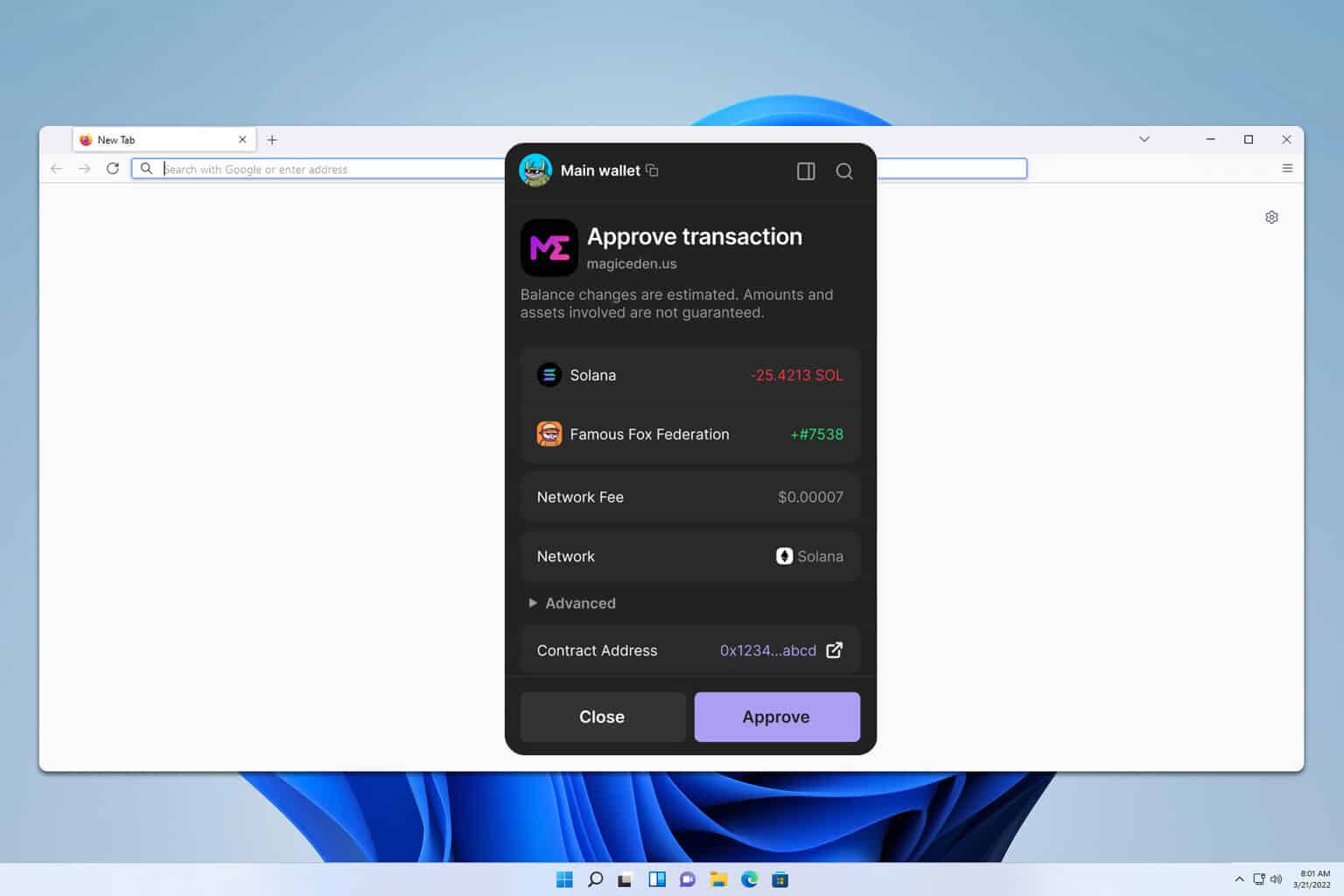
Now for the part that trips people up: dApp permissions. When a site asks to connect, Phantom shows an approval modal with accounts and permissions. Pause. Take a breath. Ask: does this site need to move my tokens, or just see my address? If the action involves signing a transaction, check the details. Phishing in the Solana world often comes disguised as “sign this small transaction” to get permissionless access later. My rule of thumb—never sign a transaction unless I can read and understand what it’s doing. Simple, but it demands attention.
There are tradeoffs too. Phantom is rapid and convenient, which makes it great for jumping into an airdrop or mint. But the convenience invites sloppy habits. For example, I’ve seen folks repeatedly use the same seed phrase across wallets for months—very very risky. And yeah, I have been guilty of clicking “approve” too quickly once. Live and learn, right?
Common headaches and how to handle them
One issue: stuck transactions. Sometimes Solana’s mempool or RPC node hiccups cause delays. If a transaction seems pending, open the transaction in Solscan (or your explorer of choice) and inspect status. If it’s truly stuck, increasing the fee or resending with a higher priority might help. Another hassle: token not appearing in the Phantom token list. You can add custom tokens by contract address. It works, but double-check the token mint address on a reputable explorer—impersonators exist.
Initially I thought auto-approve flows would save time; then I realized they cost control. Actually, wait—let me rephrase that. Some workflows benefit from batching approvals, but most everyday users are better off handling approvals manually. On one hand you get speed; though actually, on the other hand, you also increase exposure.
Want to experiment without risking assets? Use devnets. Phantom supports switching to devnet/testnet. Try a mint or contract interaction there first. It’s a small step that reveals a lot about how a dApp behaves, and it often exposes red flags before you connect your main wallet.
For teams and power users, Phantom supports multiple accounts and can import hardware wallets through connectors. If you manage funds for others, set strict operational rules and rotate keys periodically. I know it sounds like overkill for smaller projects, but when money is involved, organizational discipline pays dividends.
FAQ
Is Phantom safe to use with my Solana NFTs?
Yes, when used carefully. Phantom stores keys locally and encrypts them. Your main risks are phishing sites and social engineering. Keep your seed phrase offline, review connect prompts, and use hardware wallets for high-value NFTs.
Can I restore my Phantom wallet on another browser?
Absolutely. Use your seed phrase to restore on any compatible browser. Make sure you’re restoring from the official extension and that the recovery phrase stays private during the process.
What if I lose my seed phrase?
If you lose it and you don’t have another backup, you lose access. There are no backdoors on the blockchain. So back it up in more than one physical location, and keep it away from prying eyes.